

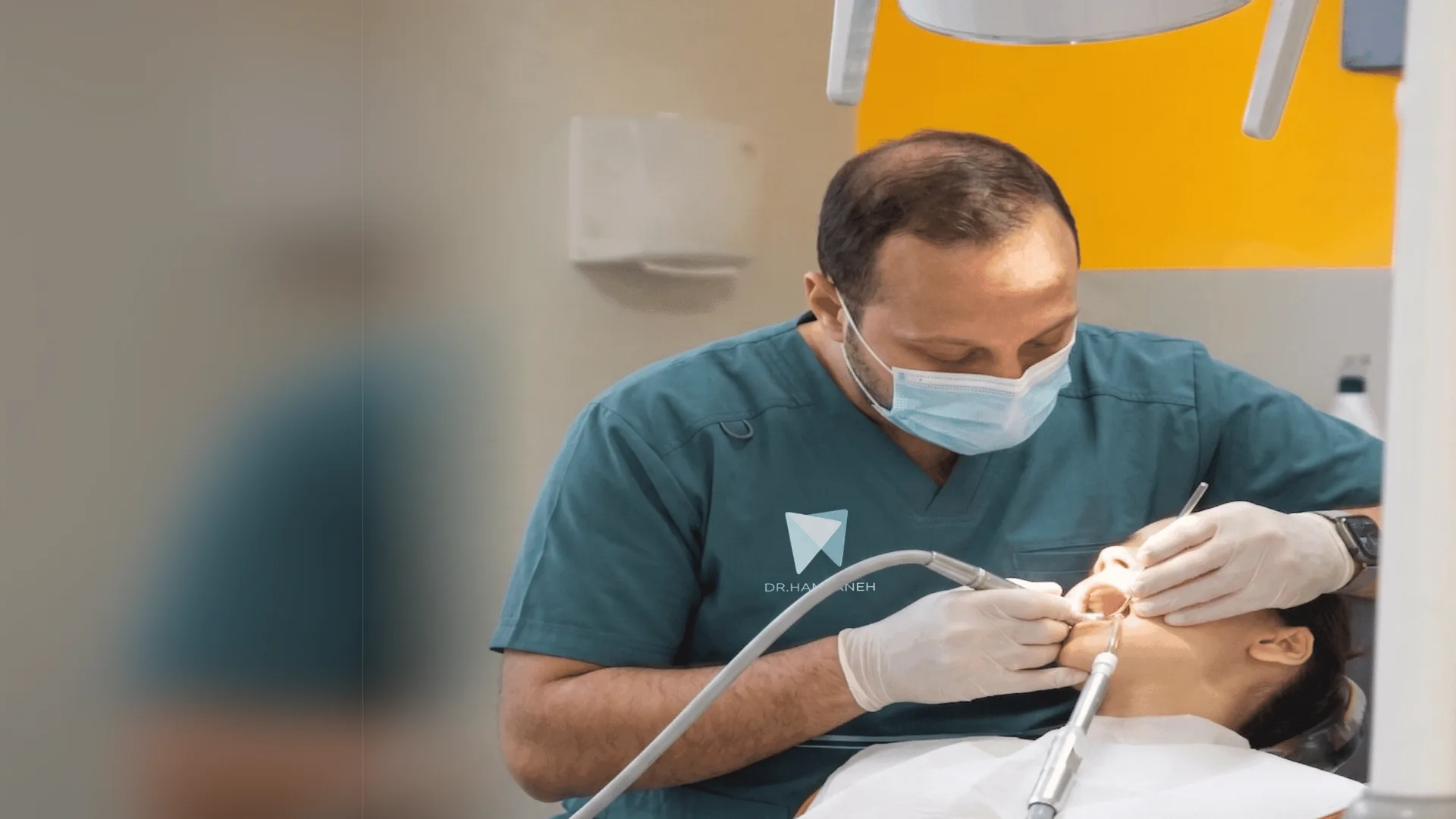
See an emergency dentist in Khalda the same day if you have severe tooth pain that painkillers don't settle, swelling in your gum or face, a broken or knocked-out tooth, or bleeding that won't stop. Go to a hospital emergency department straight away if the swelling is spreading towards your eye or neck, or if you have trouble swallowing or breathing. For a knocked-out adult tooth, the first 30 minutes matter most.
Dental problems rarely wait for a convenient moment. A filling gives way over dinner on Thursday night. Your child falls off a bike on the one afternoon you have plans. A dull ache that you ignored for a week turns into a throb that keeps you awake.
In most of these moments, people don't need to panic. They need to know two things: how serious this actually is, and what to do in the next hour. That is what this guide covers. We wrote it for patients looking for an emergency dentist in Khalda and the nearby areas, but the advice applies wherever you are.
Is it a dental emergency? A quick way to decide
Not every dental problem is urgent, and not every urgent problem looks dramatic. A small chip can wait a few days. A tooth that suddenly stopped hurting after weeks of pain sometimes can't. Before you call an emergency dentist in Khalda or anywhere else, use this table as a rough guide:
| What is happening | What it often means | When to get care |
|---|---|---|
| Adult tooth knocked out completely | The tooth may still be saved if it is put back quickly | Immediately, ideally within 30 minutes |
| Severe, throbbing pain that keeps you awake | Inflamed or infected nerve | Same day |
| Swollen gum or face, bad taste, a small bump on the gum | Dental abscess (infection) | Same day |
| Broken tooth with a sharp edge or pain | Crack that may reach the nerve | Same day or next day |
| Crown or filling came out, no pain | The tooth is exposed but stable | Within a few days |
| Small chip, no pain, no sharp edge | Cosmetic damage to the enamel | At your next routine visit |
When to go to the hospital, not the dental clinic
Go to the nearest hospital emergency department if you have any of these:
- Swelling that spreads towards your eye, down your neck, or under your jaw.
- Difficulty swallowing, breathing or opening your mouth.
- High fever with dental pain or swelling.
- Heavy bleeding that does not slow after 30 minutes of firm pressure.
- A hard blow to the face or jaw, especially if your bite suddenly feels wrong.
These signs can mean an infection is spreading or a bone may be fractured. A dentist will still treat the tooth afterwards, but the hospital comes first.
First aid for a dental emergency before you reach the dentist
What you do before you arrive can decide whether a tooth is saved. Here is what to do for the situations we see most often.
A knocked-out adult tooth
- Pick the tooth up by the crown (the white part you chew with). Do not touch the root.
- If it is dirty, rinse it for a few seconds with milk or clean water. Do not scrub it or wrap it in tissue.
- If you can, push it gently back into its socket and bite on a clean cloth to hold it in place.
- If that is not possible, keep it in a small cup of milk. An adult can also hold it inside the cheek. Never keep it dry.
- Get to an emergency dentist in Khalda or the nearest clinic immediately. The best chance of saving the tooth is within 30 minutes.
Baby teeth are different: never try to put a knocked-out baby tooth back, because it can damage the adult tooth growing underneath.
A broken or chipped tooth
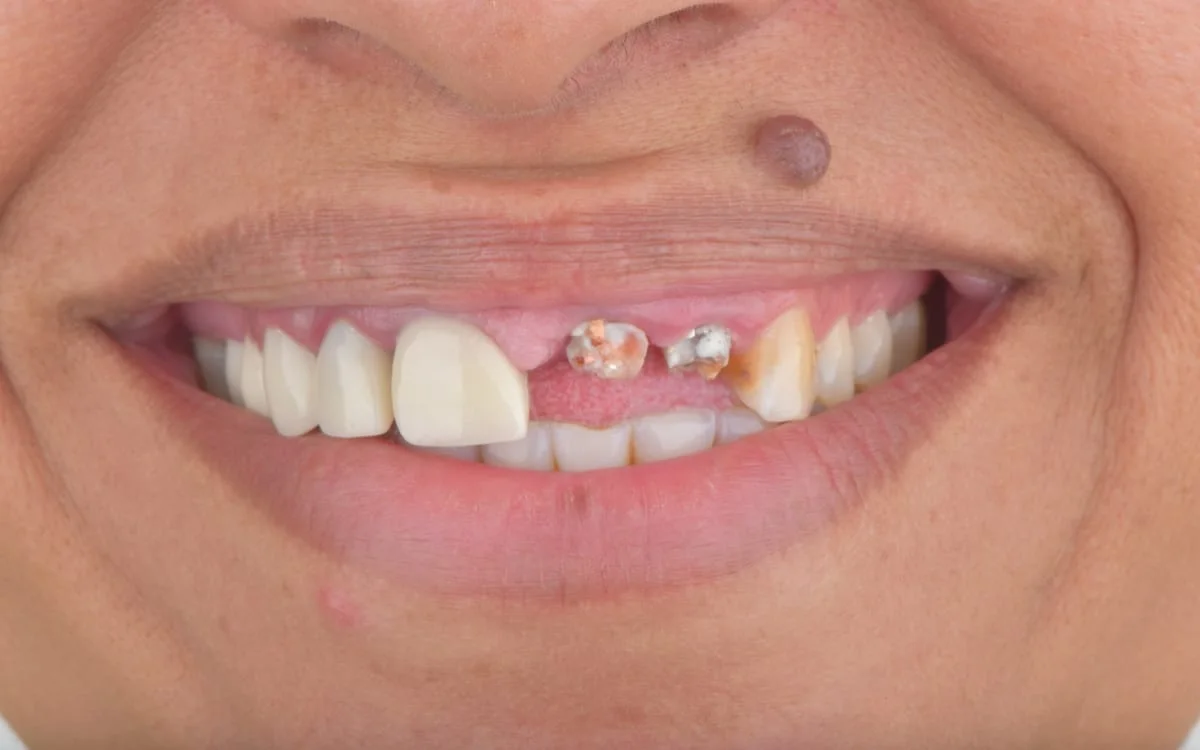
Rinse your mouth with warm water and keep any broken pieces in milk. A cold compress on the outside of the cheek helps with swelling. If the edge is sharp, a piece of sugar-free gum or dental wax over it will protect your tongue until your appointment.
Many front teeth can be rebuilt so the repair is hard to spot, with bonding or, for larger damage, a crown or veneers. A broken tooth that hurts should be seen quickly, because the crack may have reached the nerve.
Severe toothache
Rinse with warm water and floss gently around the tooth, because trapped food is sometimes the whole problem. An over-the-counter painkiller taken as the pack directs can help you get through to your appointment. If the pain comes back as soon as the tablet wears off, or it wakes you at night, the nerve is probably involved and you need to be seen.
Swelling, a gum bump or a bad taste
These are the classic signs of a dental abscess. Rinse with warm salt water and use a cold compress on the outside of the face. Do not try to pop the bump. An abscess does not go away on its own, even when the pain eases, so book the earliest appointment you can get and watch closely for the hospital warning signs above.
A crown or filling came out
Keep the crown somewhere safe and bring it with you, because it can often be cleaned and fixed back on. Never use household glue. Temporary dental cement from a pharmacy can cover the tooth for a day or two, and in the meantime chew on the other side.
Dental injuries in children
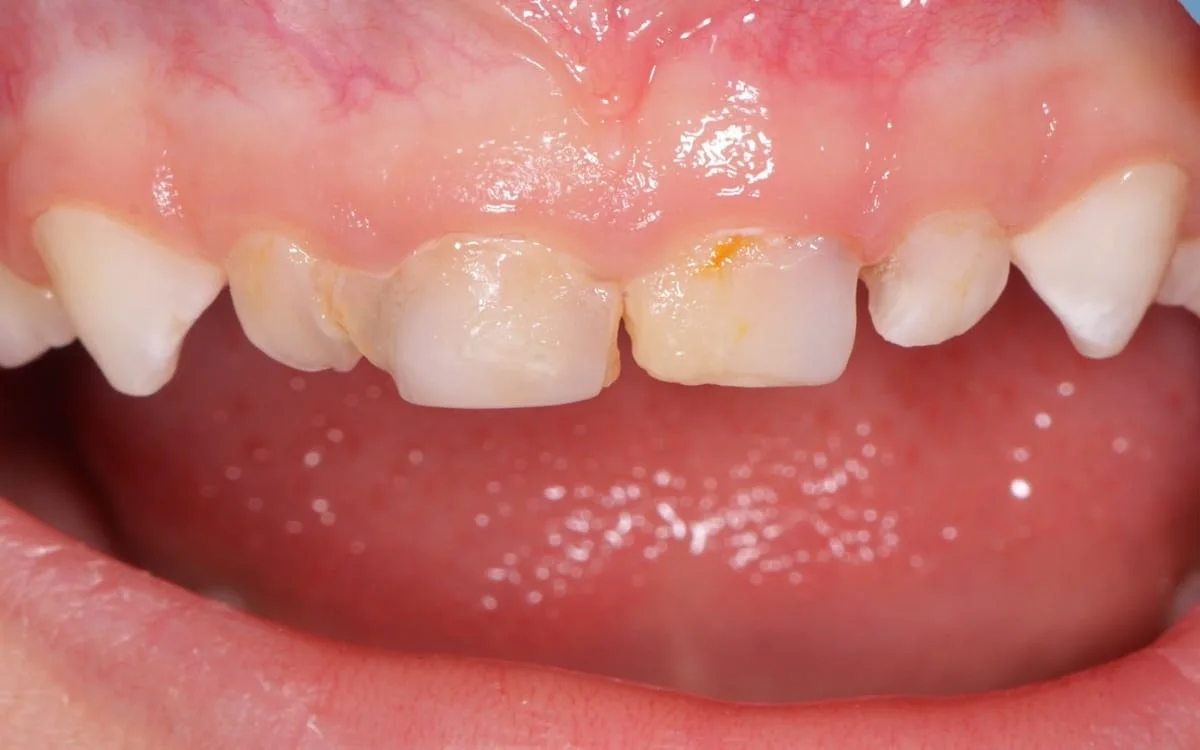
Children fall, and teeth take the hit. Stay calm, check for bleeding, and press a clean cloth on the area for a few minutes. Then call a dentist, even if the tooth looks fine: an injured tooth can change colour or become infected weeks later. Our children's dentistry team sees young patients after falls and sports injuries.
Call or message us on WhatsApp, tell us it is urgent and describe what happened. We will give you the earliest available appointment.
Mistakes that make a dental emergency worse
- Putting aspirin directly on the gum. It burns the soft tissue and does nothing for the tooth.
- Using heat on a swollen face. Warmth can help an infection spread. Use cold on the outside instead.
- Waiting because the pain stopped. Sudden relief after a bad toothache can mean the nerve has died, while the infection carries on.
- Taking leftover antibiotics. They can hide the symptoms without treating the cause.
- Gluing a crown back with household glue. It can damage the tooth and make the crown impossible to refit.
Why a proper examination still matters, even when the pain stops
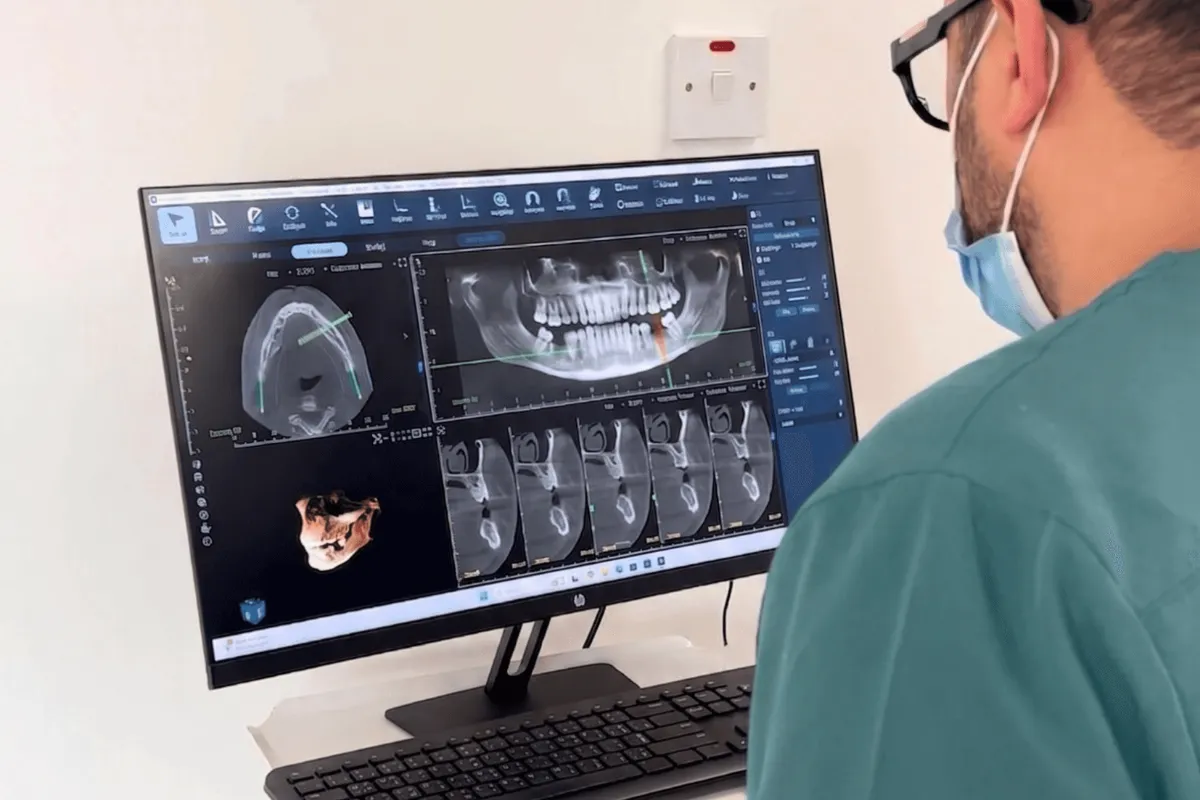
Painkillers and first aid buy you time. They don't fix the cause. A visit to an emergency dentist in Khalda should start with finding out exactly what is happening, and that usually means an X-ray. A crack under a filling, an infection at the tip of a root or a fracture below the gum line are all invisible without imaging.
Once the dentist knows the cause, the first job is to stop the pain and control any infection. The longer-term repair can then be planned calmly, whether that is a root canal, a crown or, if a tooth cannot be saved, a dental implant.
Urgent care from an emergency dentist in Khalda
If you need an emergency dentist in Khalda, our dental clinic is at Minas Towers, 3rd Floor, Medical City Street (King Abdullah II Street), next to the Standards and Metrology traffic light. It is a short drive from Tla' Al-Ali, Um Al-Summaq, Dabouq and Al-Jubeiha.
- Opening hours: Saturday to Thursday, 10:30 am to 7:00 pm.
- Urgent cases: call or WhatsApp 0791818796 and say it is urgent. We will offer you the earliest available slot.
- On Friday the clinic is closed. Leave us a WhatsApp message to be seen first thing on Saturday, and for any of the hospital warning signs above, go to the nearest emergency department.
Every emergency visit ends with a clear explanation of what happened and a written plan for what comes next. If you are still comparing clinics, our guide on how to choose the best dentist in Khalda is a good place to start, and you can read more about our team.
Call, send a WhatsApp message or use the form, and tell us it is urgent.
Questions patients ask us
What counts as a dental emergency?
A knocked-out adult tooth, severe pain that painkillers do not control, swelling in the gum or face, a broken tooth that hurts, and bleeding that does not stop are all dental emergencies. A small painless chip or a lost filling without pain can usually wait a few days.
How quickly do I need to see a dentist after a tooth is knocked out?
As fast as possible. An adult tooth has the best chance of being saved if it goes back into its socket within 30 minutes. Keep it in milk, not water and not dry, and hold it by the crown only.
Should I go to a dentist or the hospital for a swollen face?
Go to the hospital emergency department if the swelling is spreading towards your eye or neck, or if you have a fever or trouble swallowing or breathing. Swelling limited to the gum around one tooth should be seen by a dentist the same day.
My toothache stopped. Do I still need to see a dentist?
Yes. Pain that suddenly disappears after days of severe toothache can mean the nerve has died, while the infection continues. An X-ray will show whether the tooth needs treatment before the problem returns as an abscess.
Can a broken front tooth be fixed so it looks natural?
In most cases, yes. Small breaks are repaired with tooth-coloured bonding in one visit. Larger breaks may need a crown or a veneer. If the break reaches the nerve, the tooth is treated first and then restored.
What should I do if my child breaks or knocks out a baby tooth?
Stop any bleeding with gentle pressure from a clean cloth and call a dentist. Do not put a baby tooth back into the socket, because it can harm the adult tooth underneath. Even if the tooth looks fine, a check-up is important.
Is there an emergency dentist in Khalda?
Yes. Dr. Khaled Hamarneh Dental Center in Khalda sees urgent cases during opening hours, Saturday to Thursday from 10:30 am to 7:00 pm. Call or WhatsApp 0791818796 and say it is urgent to get the earliest available appointment.
What if I have a dental emergency on Friday?
The clinic is closed on Friday. Send us a WhatsApp message to be seen first on Saturday. If you have facial swelling that is spreading, a fever, heavy bleeding or difficulty swallowing or breathing, go to the nearest hospital emergency department straight away.