
A Stable Foundation for Missing Teeth
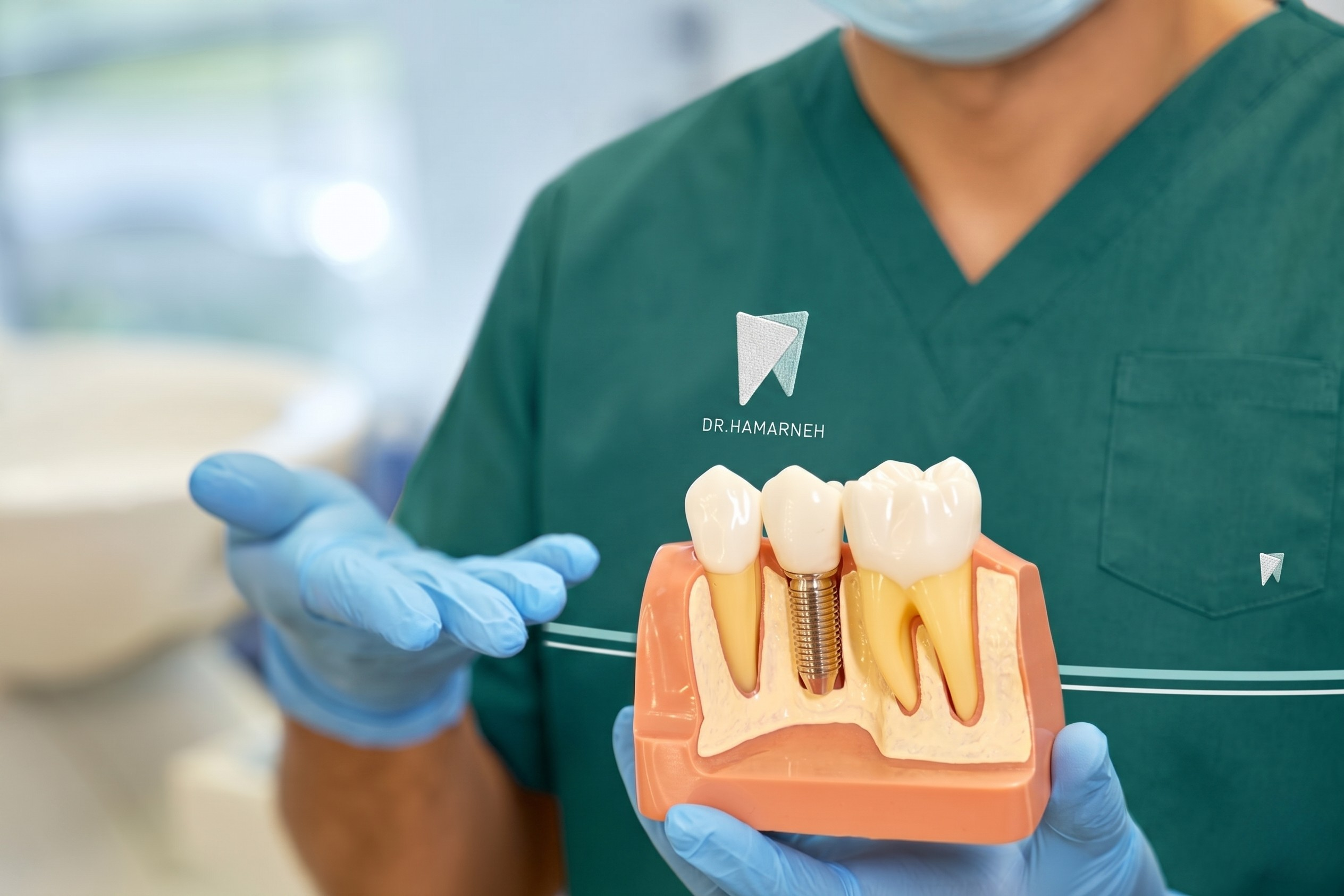
Dental implants are carefully planned to restore chewing comfort, natural function, and confidence with a treatment approach built around your condition.
Diagnosis · Placement · Final Crown
Designed to restore comfort and everyday function.
More Than a Replacement Tooth
Dental implants are planned to replace missing teeth with stable support, helping restore everyday function, chewing comfort, and a more confident smile.
Chewing Comfort
Restore more comfortable chewing and daily function.
Stable Support
Implants are planned to support a crown, bridge, or full-arch solution depending on the case.
Natural Appearance
The final tooth is shaped and shaded to blend naturally with your smile.
Long-Term Planning
Each case is reviewed carefully for bone, gums, bite, and overall oral health.
A Guided Plan from Diagnosis to Final Tooth
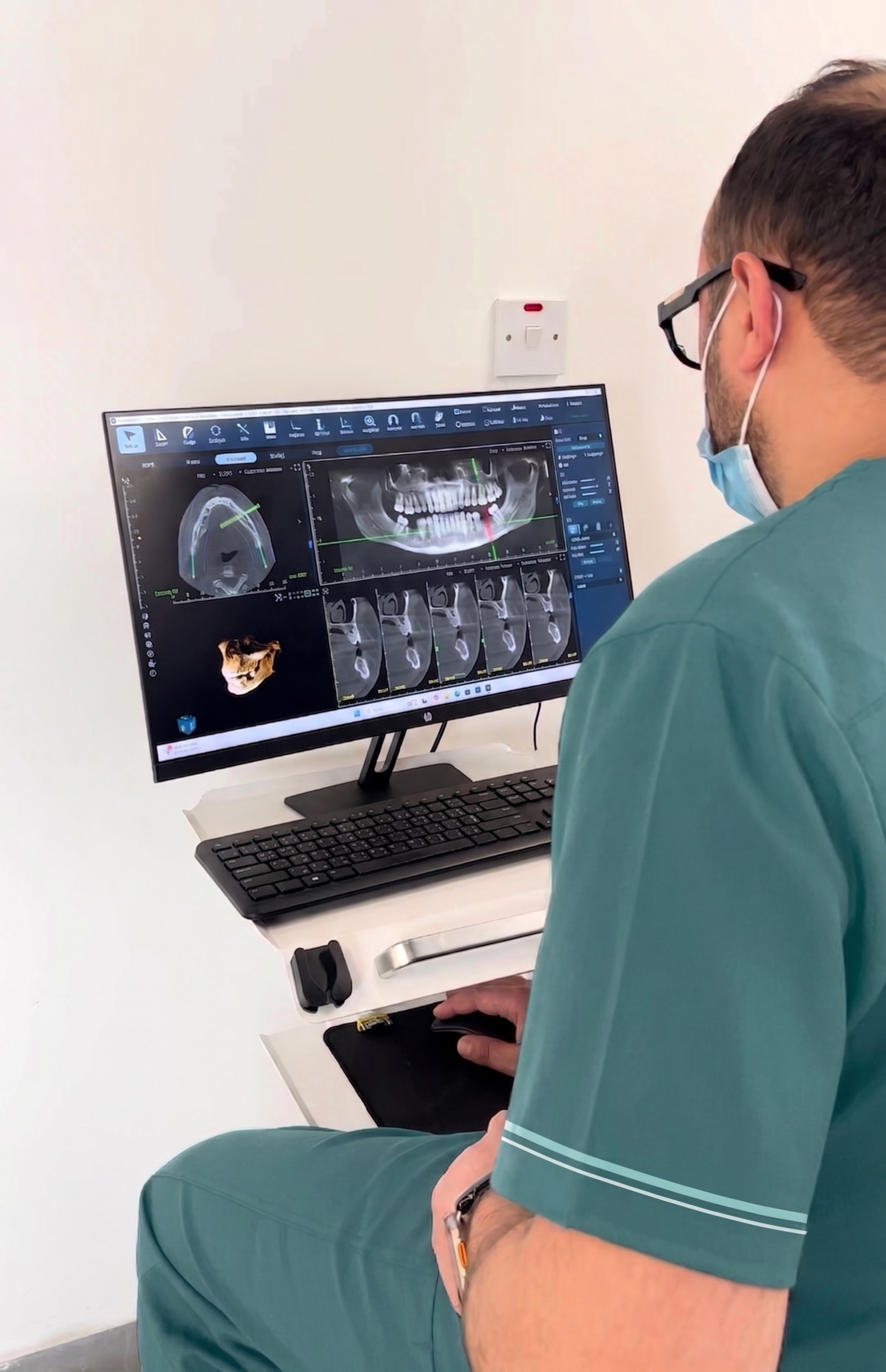
Every implant case follows a carefully planned path — from diagnosis and digital planning to implant placement, healing, and the final restoration.
Consultation & Diagnosis
We evaluate your teeth, gums, bite, bone level, and treatment goals before recommending implants.
Digital Implant Planning
X-rays or scans help plan implant position, safety, and the design of the final tooth.
Implant Placement
The implant is placed carefully according to the plan, with comfort and healing in mind.
Healing & Final Restoration
After healing, the final crown, bridge, or restoration is designed to restore function and appearance.
A Personal Evaluation Comes First
Dental implants are not planned the same way for every patient. Your bone level, gum health, bite, medical history, and treatment goals all help determine the best approach.
You have one or more missing teeth.
Your gums and oral health are stable.
You have enough bone support, or can be evaluated for bone grafting.
You want a fixed solution instead of a removable option.
You are ready for proper hygiene and follow-up care.
Implant Solutions Planned Around Your Case
Dental implant treatment can replace one tooth, multiple teeth, or support a full-arch restoration. The right option depends on your diagnosis, bone support, bite, and treatment goals.
Single Dental Implant
A single implant can replace one missing tooth with a stable foundation and a final crown designed to blend naturally with your smile.
Implant-Supported Bridge
When several teeth are missing, implants may support a bridge designed to restore function and appearance with better stability.
Full-Arch Implant Restoration
For patients missing most or all teeth in one arch, implants may support a fuller restoration planned around comfort, bite, and facial support.
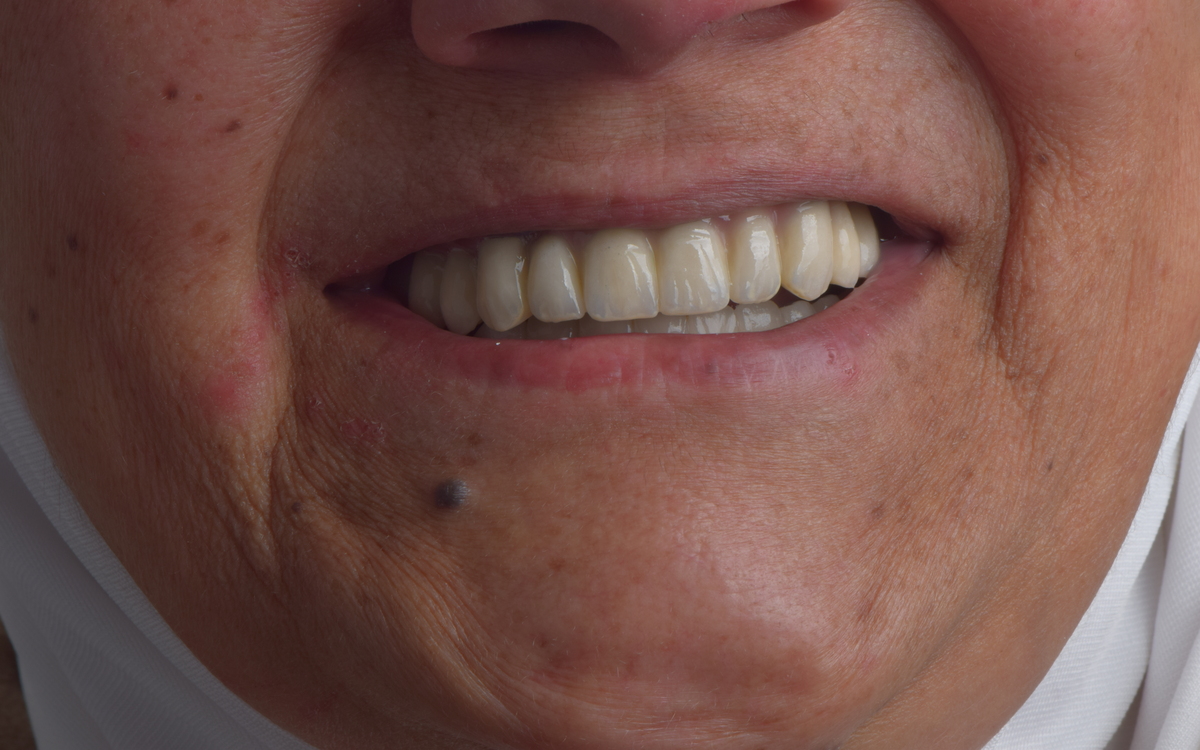
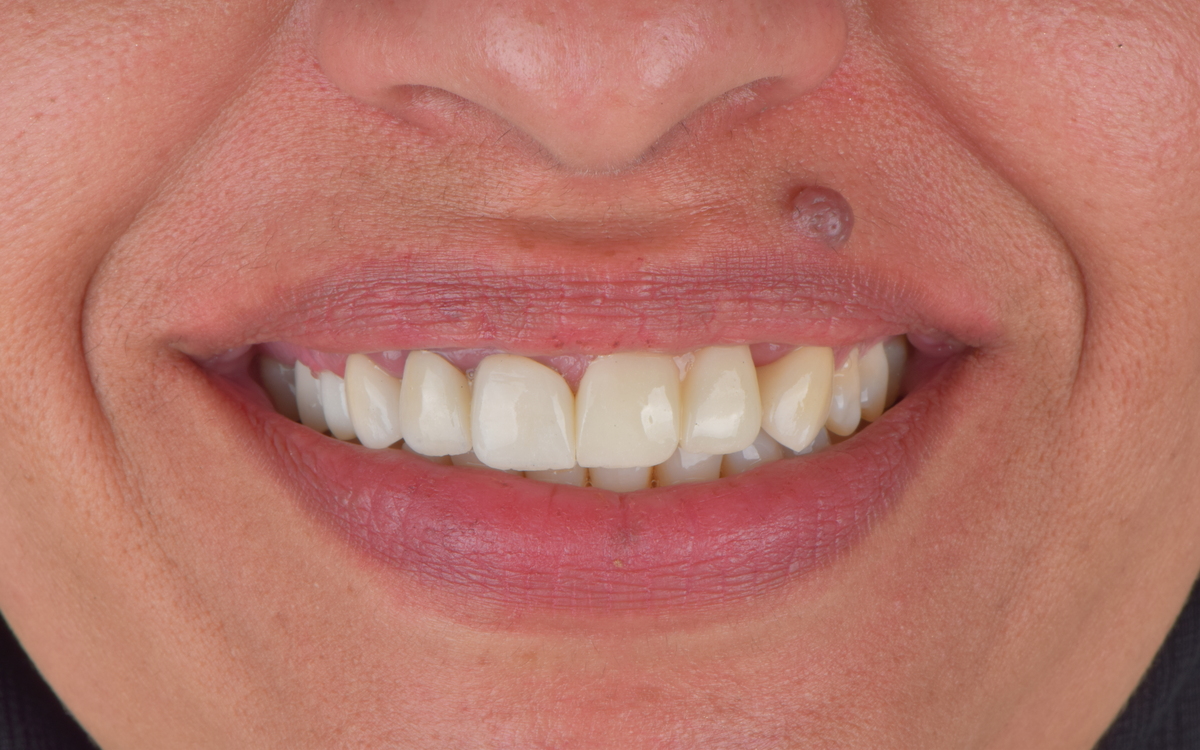
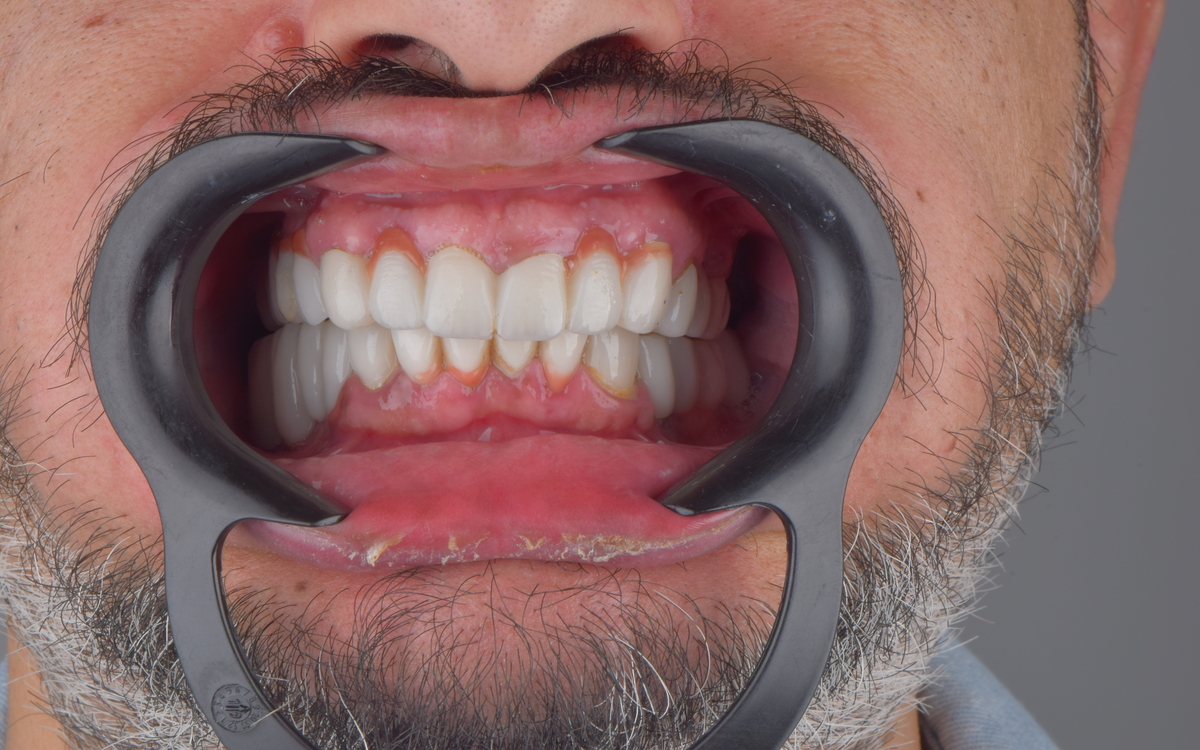
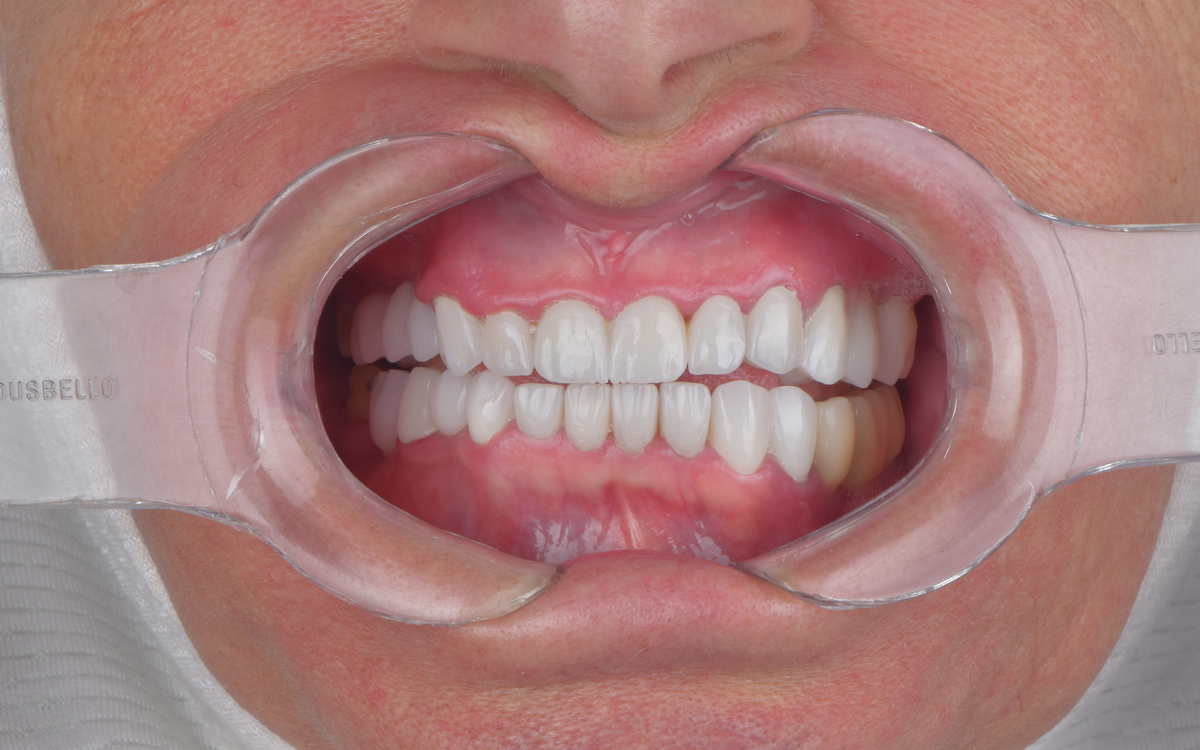
Real Implant Restorations
Explore dental implant cases planned to restore function, stability, and a natural-looking final smile. Drag the handle to compare before and after.
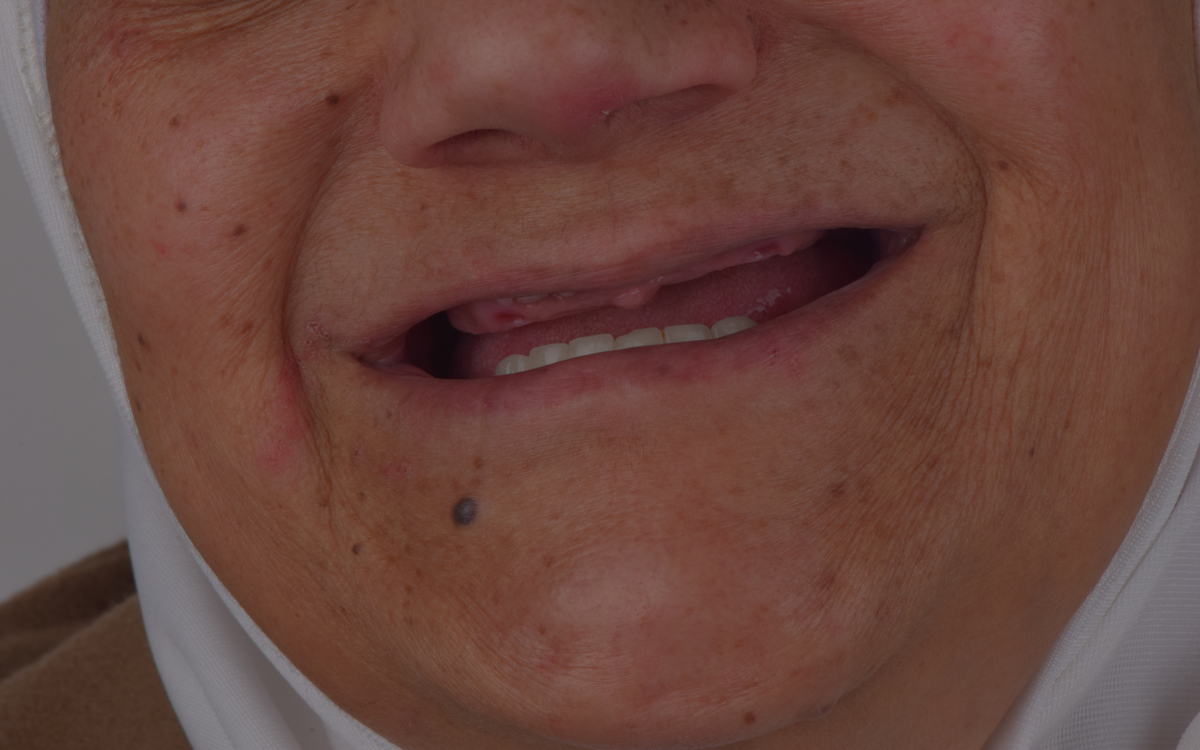
Implant Restoration Case
Planned to restore missing teeth with stable support, function, and a more complete smile.
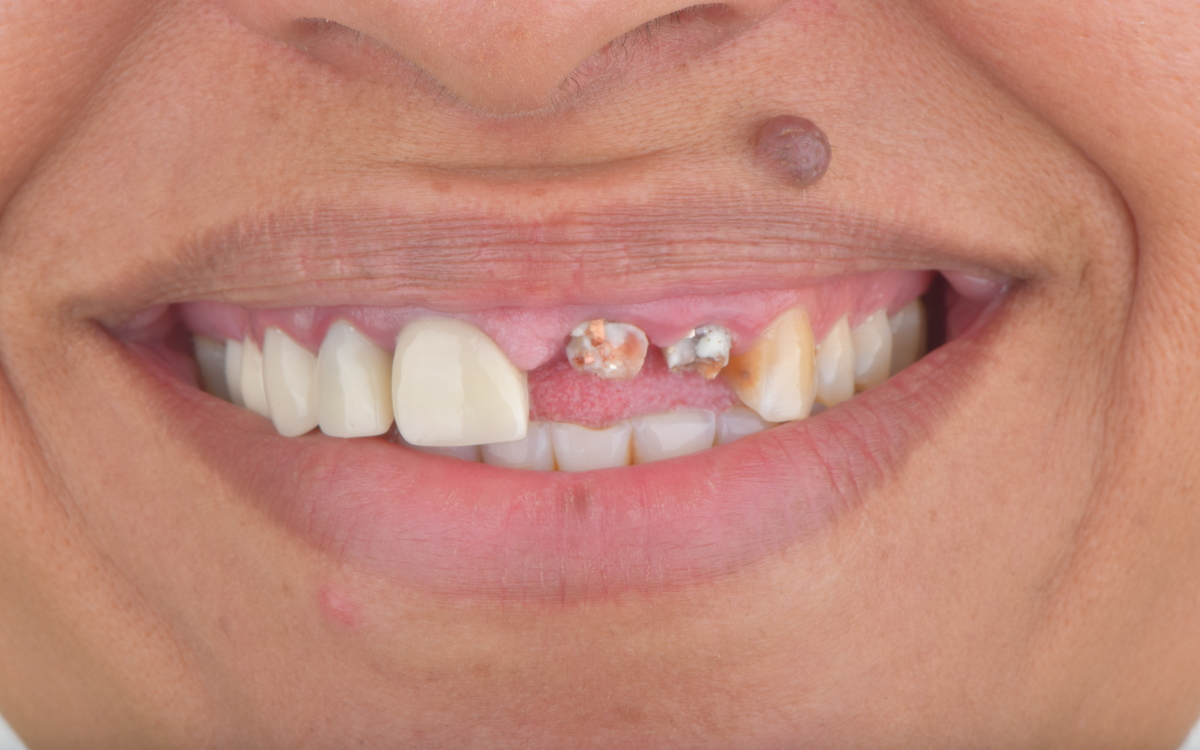
Natural Function Restored
A carefully planned restoration focused on improving comfort, appearance, and everyday confidence.
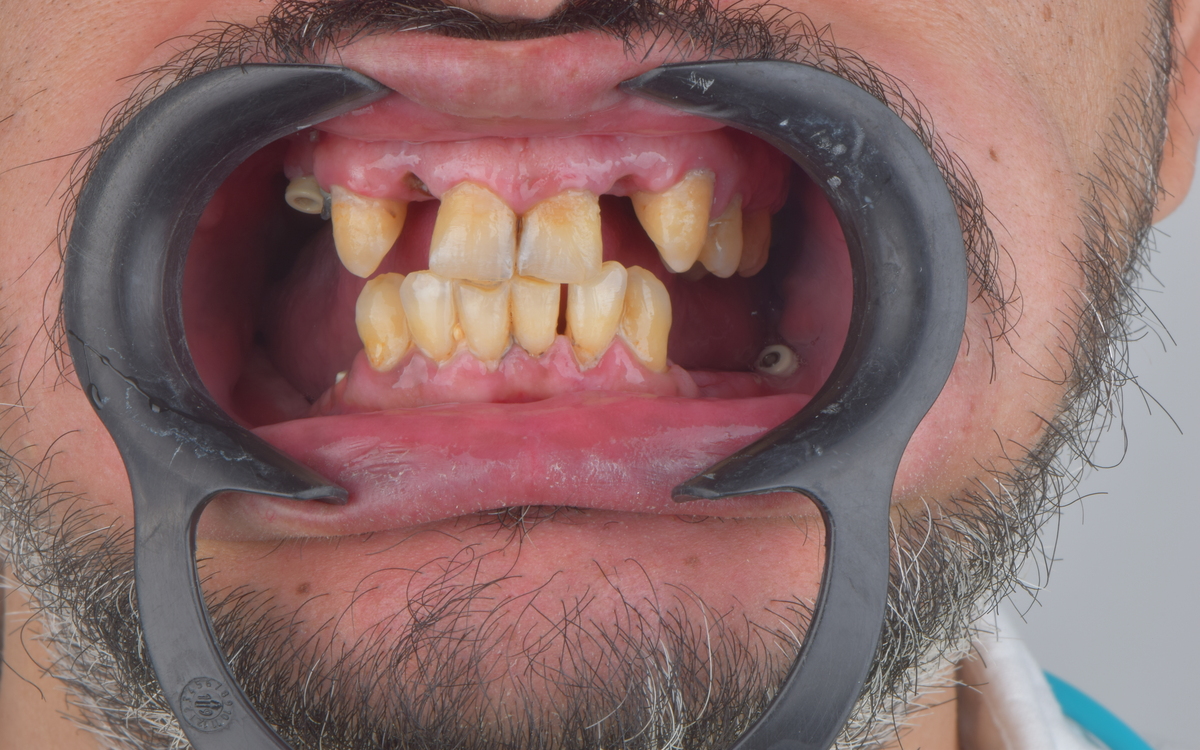
Smile & Bite Support
Designed around stability, bite support, and a final restoration that blends with the smile.
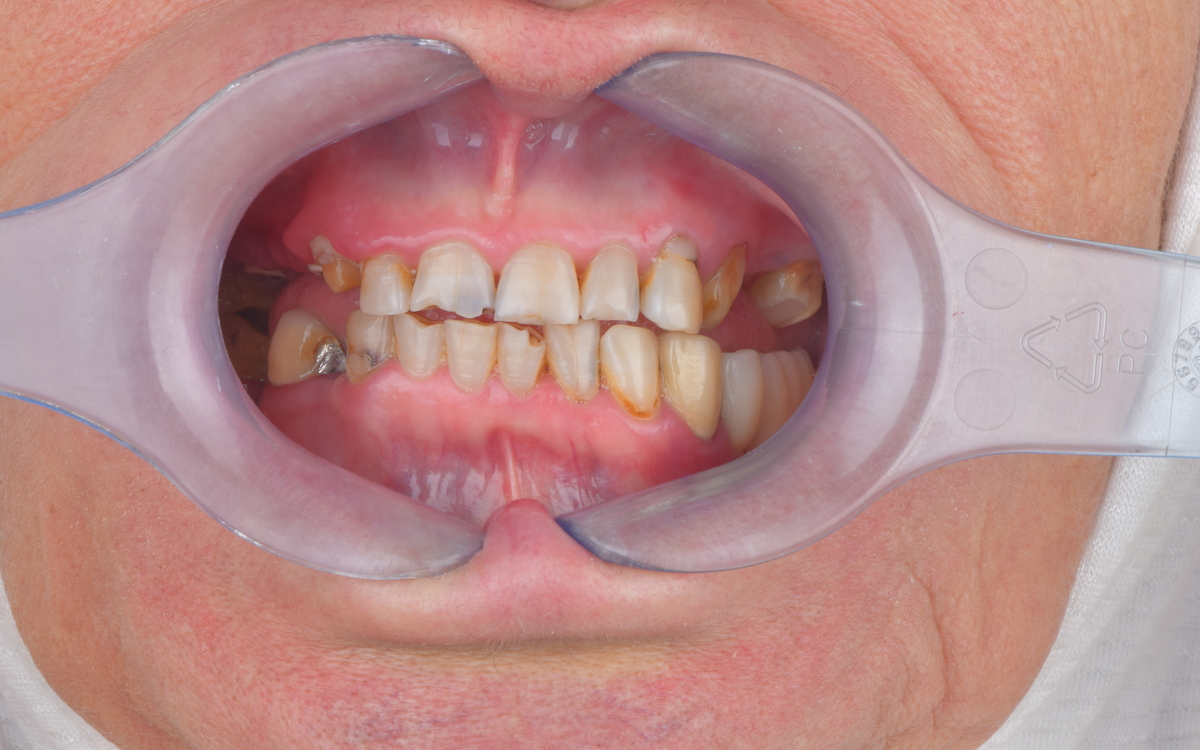
Implant-Based Rehabilitation
A restoration case planned to improve missing-tooth appearance, function, and smile balance.
Ready to Replace Missing Teeth with Confidence?
Begin with a clear consultation and an implant plan designed around your bone, bite, comfort, and long-term function.
Common Questions About Dental Implants
Clear answers about comfort, treatment time, bone support, implant options, and long-term care.
Implant treatment is planned with patient comfort in mind. Local anesthesia is usually used during the procedure, and the case is reviewed carefully before treatment begins.
Treatment time depends on diagnosis, bone condition, healing, and the type of final restoration. Some cases are simpler, while others need more planning and healing time.
Not every patient needs bone grafting. Your bone level is checked during consultation to determine whether an implant can be placed directly or if additional support is needed.
Yes. Dental implants can be used for one missing tooth, multiple missing teeth, or full-arch restoration depending on your diagnosis and treatment plan.
Longevity depends on oral hygiene, bite forces, gum health, medical factors, and regular dental follow-up. Your dentist will explain expectations based on your case.
Brush, clean around the implant, attend regular checkups, and follow your dentist’s instructions. Good hygiene and maintenance are important for long-term stability.